
Okay, so check this out—I’ve been using browser extension wallets for years, and the last few months felt different. At first it was curiosity; then a mild frisson of annoyance when a bridge ate gas fees for no good reason. Hmm… my instinct said something felt off about the way many wallets treat multiple chains like an afterthought rather than a core experience. Really? Yes — and that frustration pushed me into testing several multi‑chain wallets more aggressively than usual. Wow!
The tradeoffs are obvious. A wallet that shows every chain by default becomes cluttered fast, and one that hides chains forces you to hunt for assets. My first impression: UX matters as much as cryptography. Initially I thought a simple import-and-go model would win, but then I noticed subtle permission leaks in a few popular extensions. Actually, wait—let me rephrase that: some wallets expose contract call details in ways a normal user can’t parse, and that ignorance is a security risk.
Here’s the thing. Multi‑chain is not just “add more RPC endpoints.” It demands intent: transaction simulation, granular approvals, and sane token management across disparate networks. On one hand, chain switching is a convenience win — you can move funds without hopping devices. On the other hand, bridging and approvals multiply attack surface, and that’s where many wallets fall short. My instinct screamed caution the first time a dApp asked for token approval across ten contracts. Yikes.
What bugs me about a lot of marketing is the promise of seamless cross‑chain experience without acknowledging the user security burden. I’m biased, but I think naming permissions clearly is underappreciated. Checklists and clear UI save people from mistakes. Somethin’ as small as a clear “allow exactly X tokens to be spent” prompt can prevent catastrophe. Oh, and by the way… never trust a generic “approve all” button unless you know what you’re doing.
Practical security behaviors that should be built in
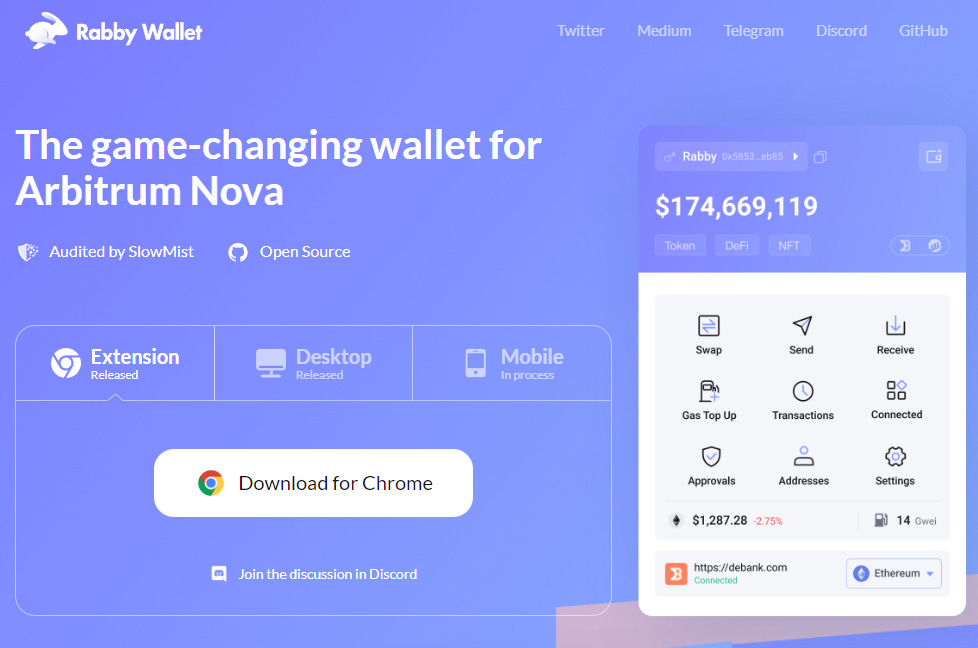
First, there should be a transaction simulator that lays out expected state changes before you sign. Seriously? Yes — seeing a simulated token balance after a swap is clarifying. Second, granular allowance management should be front and center, not buried in settings. On my test runs I used rabby and noticed the allowance controls were immediate and visible, which reduced accidental exposures. Third, hardware pairing and easy export auditing are essential for heavier users, though casual folks might never use them.
I once almost lost a small position because a dApp unexpectedly bundled a multi‑step approval. My heart raced — not dramatic, but stressful — and I had to revoke permissions while on my phone. That experience taught me to prefer wallets that support quick revocation and clear transaction history. On the surface that sounds basic, though actually implementing an intuitive revocation path is harder than it seems. Many wallets make you jump through menus to revoke and that friction keeps many users exposed.
Design patterns that reduce risk are simple and repeatable. Prompt only for the minimal allowed amount. Offer a “preview” that translates EVM calldata into plain English. Warn about cross‑chain wrapped assets and when tokens are moved through a bridge without native backing. These warnings need a human tone — not a wall of legalese — because people will skim. My gut says: treat the user like a person, not a cryptographer.
Performance and reliability matter too. If a wallet tries to support ten different RPCs with unreliable defaults, users suffer latency and failed txs. On the flip side, curated RPC endpoints with fallbacks make for a noticeably smoother experience. Initially I thought anyone could host an RPC and it’d be fine, but after seeing sporadic nonce errors on low‑quality endpoints, I changed my mind. Good provider selection is infrastructure hygiene.
Phishing remains the most social‑engineering‑ish attack vector. A bad link in a Twitter thread can prompt a user to sign a malicious permit in seconds. There are ways to make that harder: contextual domain checks, origin identifiers that are clear in the signing flow, and staged confirmations for high‑value actions. On one hand, these add clicks; though actually, those extra clicks often save the headache of a drained account. Tradeoffs, always tradeoffs.
Let me be honest: no wallet is a silver bullet. I rely on habits — hardware for big holdings, multiple accounts, and tiny test transactions for unfamiliar dApps. Those are practical strategies, and they feel a lot like seatbelts. I’m not 100% sure every user will adopt them, but wallets that make those patterns effortless have my attention. Also, user education inside the wallet is underrated; small micro‑tips at the moment of decision beat long FAQ pages.
Developer features matter too. For smart contract devs and power users, support for gas fee customization across different networks, replay protection indicators, and nonce visibility are critical. The ecosystem needs wallets that expose these details only when people need them, avoiding cognitive overload for newbies while empowering power users. My workflow improved when the wallet separated an “advanced” toggle from basic operations. Simple, but effective.
Bridges deserve a separate note. They can be magical, and they can be dangerous. Risk comes from liquidity pools, wrapped assets, and cross‑chain governance opacity. A wallet that flags assets as ‘bridged’ versus ‘native’ and shows trust assumptions helps users make informed choices. I’ve seen folks assume parity where none exists — that part bugs me, big time.
There’s been a subtle evolution in wallet thinking toward modular security: combine extension convenience with optional hardware hardening and cloud‑backed but encrypted recovery flows. On one hand, extension UX delivers speed; on the other, hardware provides custody certainty. Some users want both, and wallets that enable seamless transitions between modes — without forcing complex setup — will win trust. I’m excited to see more of that design thinking in products I test.
Common questions people actually ask
How should I approach multi‑chain approval requests?
Short answer: approve the minimum and revoke often. Medium answer: if a dApp asks for blanket permissions, pause and inspect the contract address and intended operation. Long answer: use wallets that show calldata in readable form, simulate the transaction, and if unsure, do a tiny test transfer first — that tiny step has saved many people from big losses.
Is a browser extension wallet safe for serious holdings?
Depends on your threat model. For everyday trading and small holdings, a hardened extension with clear permission controls and optional hardware integration is often fine. For very large positions, pair the extension with a hardware device or consider a cold‑storage solution; personally I split holdings across custody models to avoid single points of failure. The right approach balances convenience and security for your life, and yes, it’s okay to be a bit paranoid.